Gündəlik ev təhlükəsizliyi: uşaq və yaşlılar üçün sadə qaydalar
Parents who invite a caregiver into the home expect not only attentive care for their child or elderly relative but also adherence to hygiene and safety rules. Professional caregivers should regard these rules as standard. This article explains practical ways parents can set expectations, confirm compliance, and maintain a safe environment without creating undue tension.
Introduction: why clarity matters
Clear communication about hygiene and safety reduces misunderstandings and supports consistent routines. When caregivers understand household rules from the start, it becomes easier to maintain the standards that matter to the family. Establishing basic norms also protects vulnerable household members—children and older adults—by reducing avoidable risks.
Main part
1. Set expectations and share information
Before care begins, discuss the household rules related to hygiene and safety. Explain priorities such as hand hygiene, food handling, and the management of personal items that should not be shared. Make sure the caregiver knows any medical needs, allergies, or mobility limitations of the person in their care.
Provide simple written notes or a checklist if helpful. A short written guide helps the caregiver remember specific points and offers a reference for both routine tasks and unusual situations. Clear instructions on emergency contacts and the location of first-aid supplies should be part of this information set.
2. Verify and agree on routines
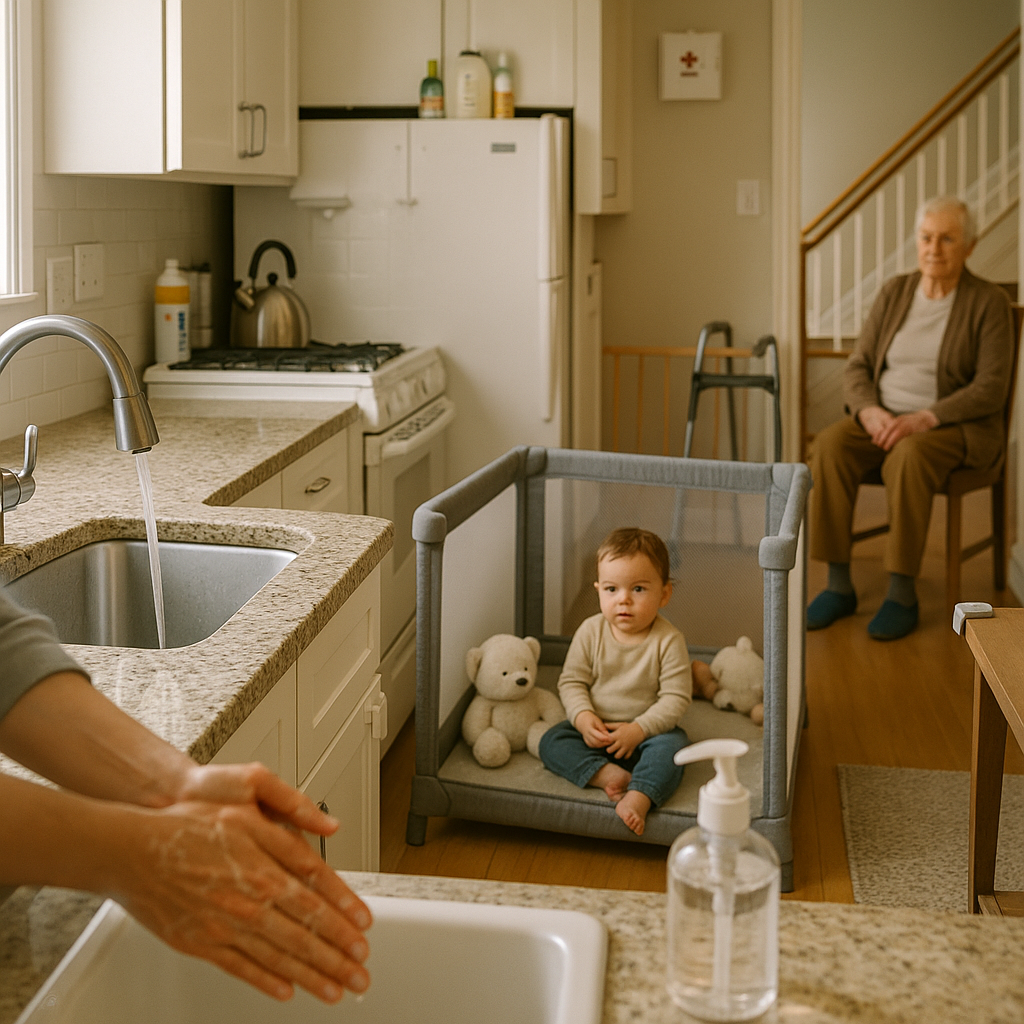
Agree on daily routines that support safety and hygiene. Routines can include how toys and shared surfaces are handled, when hands should be washed, and how personal protective items are stored. Discuss how to manage outdoor clothing or footwear to limit the introduction of contaminants into living spaces.
Observe the caregiver during the first days to ensure mutual understanding. Open, respectful feedback after an observation period helps to align practices. If questions arise, revisit the written guide and update it together so expectations remain clear and current.
3. Create a supportive environment
A safe environment is easier to maintain when the household supports the caregiver’s work. Keep essential supplies accessible, label items when needed, and make the layout predictable. Simple small adjustments—like designating a place for clean linens or sanitizing solutions—can make adherence to hygiene rules more convenient.
Regularly review and refresh shared guidelines. A brief conversation at agreed intervals ensures routines adapt to changing needs and prevents drift from established safety practices.
Special considerations for children and older adults
Children and elderly people often have different vulnerabilities. Explain any specific concerns related to mobility, supervision levels, or medication management. Clarify boundaries about food, activity supervision, and access to potentially hazardous areas of the home.
When a caregiver is new to the household, give extra orientation for spaces that require special attention—bathrooms, kitchens, or areas with sharp objects. Make sure the caregiver knows where to find important documents and how to contact family members if uncertain situations occur.
Conclusion
Parents and households benefit from a collaborative approach to hygiene and safety. By setting clear expectations, providing concise written guidance, and agreeing on routines, families can help caregivers meet the standards they expect. Observing early, offering constructive feedback, and maintaining an organized environment support consistent practice and protect both children and older adults at home.